
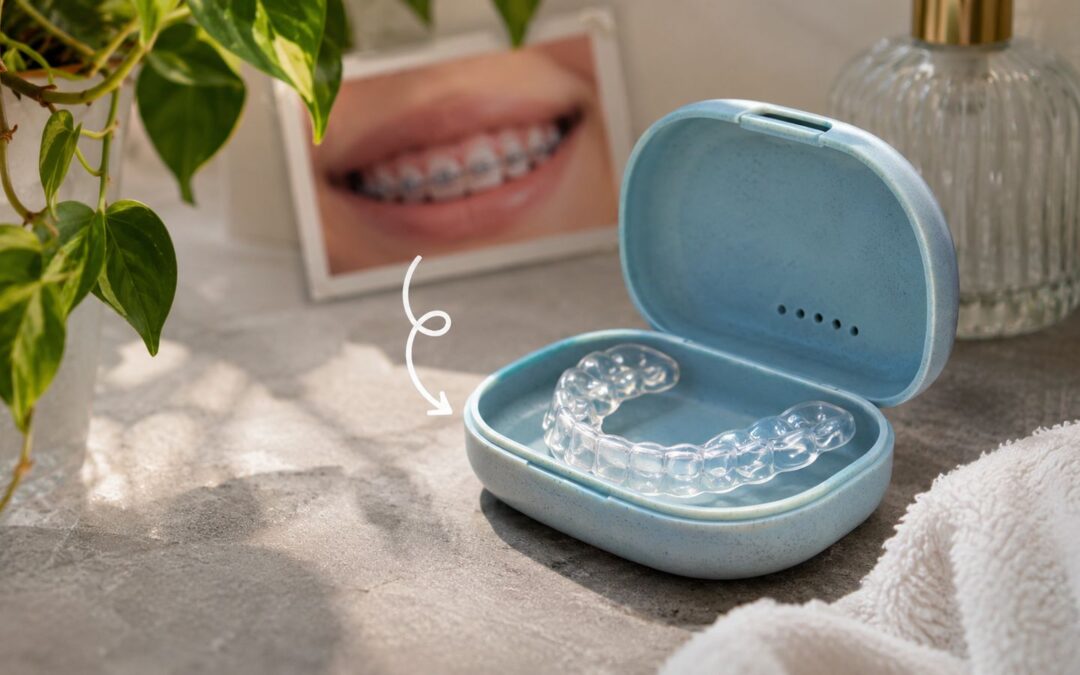
The day braces come off or the last aligner is finished feels like the finish line. In one important way, it is the start of the next stage. Teeth that have just been moved want to drift back toward where they started, and the retainer is what keeps all that work in place. At Dr. K Orthodontics, every patient leaves treatment with a personalized retention plan, because a beautiful result only matters if it lasts.
Why Teeth Shift After Treatment
Teeth are held in place by fibers and bone that reshape as the teeth move. When treatment ends, those tissues need time to settle around the new positions, and in the meantime the fibers can pull teeth back toward their old spots.
Shifting does not stop once things settle, either. Teeth tend to move gradually throughout life as a natural part of aging, which is why lower front teeth that were perfectly straight at 16 can look crowded at 40. Skipping the retainer is one of the most common reasons adults end up needing a second round of orthodontic treatment.
The Main Types of Retainers
Orthodontists use a few different kinds of retainers. The right choice depends on your bite, the movements made during treatment and your habits.
Clear removable retainers
Thin, transparent trays that look a lot like clear aligners. They are nearly invisible and easy to take out to eat and clean.
Wire-and-acrylic retainers
A classic removable design with a wire across the front teeth and an acrylic piece that fits the roof of the mouth or behind the lower teeth.
Bonded retainers
A thin wire attached to the back of the front teeth. It stays in all the time, so it needs careful cleaning with floss threaders.
Dr. K decides which type, or which combination, fits each patient as part of the retention plan, and explains how and when to wear it.
How Long Should You Wear a Retainer?
Your instructions will be specific to you, so always follow the plan Dr. K gives you. In general, orthodontists often ask patients to wear removable retainers for much of the day at first, then move to nighttime wear. Because teeth keep shifting gradually over a lifetime, many orthodontists recommend some form of retainer wear long term. Think of it the way you think of brushing: a small daily habit that protects something you have invested in.
Caring for Your Retainer
- Keep it clean. Rinse a removable retainer whenever you take it out and brush it gently. Ask our team which cleaning method suits your type of retainer.
- Use the case. Most lost retainers end up wrapped in a napkin on a lunch tray. When it is not in your mouth, it belongs in its case.
- Keep it away from heat. Hot water, dishwashers and a hot car can warp plastic retainers.
- Watch out for pets. Dogs love to chew retainers. Store the case somewhere they cannot reach.
- Bring it to appointments. If you have a follow-up visit, bring your retainer so the team can check the fit.
What If Your Retainer Doesn’t Fit Anymore?
If a retainer feels tight after a few nights off, that is a sign the teeth have begun to move. If it no longer fits at all, or it cracks or goes missing, call the office rather than forcing it in. The sooner the team sees you, the more likely a small shift can be managed simply. If your teeth have moved a lot over the years, treatment can often bring them back. Our adult orthodontics guide covers what that looks like.
Retainer FAQ
Why do I need a retainer after braces?
Freshly moved teeth tend to drift back toward their original positions while the surrounding bone and fibers settle, and teeth continue to shift slowly throughout life. A retainer holds them in their new positions. At Dr. K Orthodontics, every patient receives a personalized retention plan when treatment ends.
Do I need a retainer after clear aligners too?
Yes. Teeth moved with clear aligners can shift back just like teeth moved with braces. Whether you finished with Spark clear aligners or braces, a retainer protects the result.
What happens if I stop wearing my retainer?
Teeth may gradually move out of alignment. Small changes can sometimes be caught early if you start wearing the retainer again and contact your orthodontist, but larger shifts may need treatment to correct. If your retainer no longer fits, call the office instead of forcing it in.
What should I do if I lose or break my retainer?
Call the office as soon as possible so the team can arrange a replacement. The longer you go without a retainer, the more chance the teeth have to move.
Protect Your Smile
Have questions about your retainer, or wondering whether teeth that have shifted can be corrected? Call (856) 663-4881 or schedule a visit at our Pennsauken office, about 8 minutes from the Cherry Hill Mall. You can also see how we plan results that last on our before and after page.